

Short Turbines for Untapped Turbulent Wind
Mid-level wind resources need a compact vertical-axis wind turbine that can survive in the gusting, swirling turbulence that is found at 15 to 100 feet above the ground in the world’s windiest locations.
- When placed in wind farms, Wind Harvesters will often double or more the land’s energy output with minimal environmental impacts.
- At least 140 gigawatts of power—enough electricity for 80 million households —would be available by adding Wind Harvesters to 20% of wind farms that were operating in 2020.
- Wind farms are a vast, easy-to-tap market with zoning and key infrastructure already in place.
- Besides using turbulent mid-level wind under tall turbines, there are many other windy properties worldwide where traditional turbines cannot go, but ours can.
- The potential market for short vertical-axis turbines should exceed $1 trillion in the next decade.
Wind Harvest’s breakthrough technology will make a major difference in supplying inexpensive clean energy. Join us!

Blog & News
Wind Harvest Surpasses $500K Milestone on Netcapital, Offers Limited-Time Discounted Shares
The below is an article from Business Insider. Davis, California, April 23, 2024 (GLOBE NEWSWIRE) -- Wind Harvest, a [...]
Breakthrough wind farm technology company surpasses crowdfunding expectations in its first two weeks
FOR IMMEDIATE RELEASE April 15, 2024 Contact: Jen Hoover, jhoover@windharvest.com Elias Rappaport, elias@nextgeneration.org California-based Wind Harvest raises over [...]
New Study Shows Groundbreaking Mid-Level Wind Turbines Can Nearly Triple Wind Energy Output in the Tehachapi Wind Resource Area
FOR IMMEDIATE RELEASE November 24, 2023 Contact: Kevin Wolf, kwolf@windharvest.com Elias Rappaport, elias@nextgeneration.org A new study and supporting [...]
The Opportunities
Projects
We actively seek and evaluate properties with appropriate mid-level wind speeds and energy costs that can beneficially install our Wind Harvester turbines.

Sustainability
We actively seek and evaluate properties with appropriate mid-level wind speeds and energy costs that can beneficially install our Wind Harvester turbines.

Invest With Us
Wind Harvesters can double the use of the windiest land, are more wildlife-friendly than most alternatives, are recyclable, and are designed to last a lifetime!
The Potential
Our Flagship Product
Introducing Wind Harvesters™
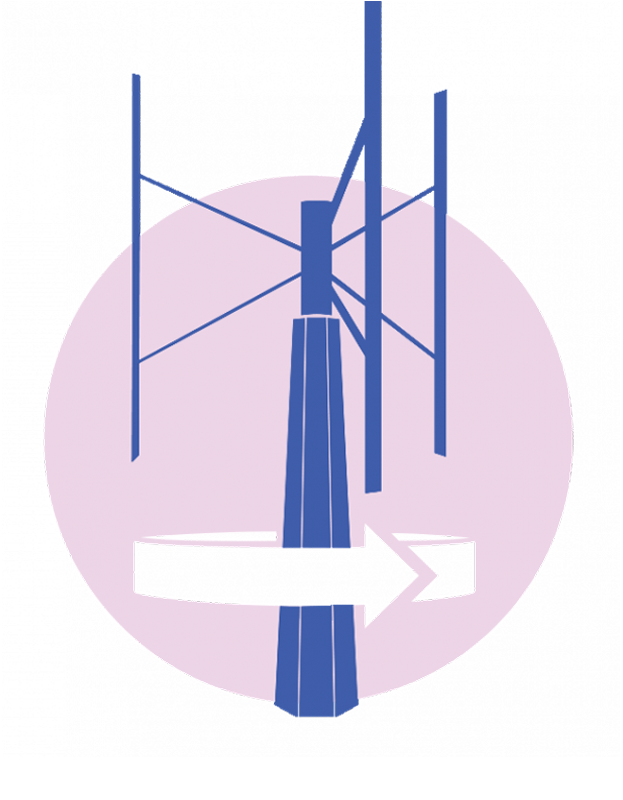
Wind Harvesters are compact H-type vertical axis wind turbines that generate power from highly energetic and turbulent middle layers of wind that traditional turbines can’t use. Placed three feet apart from each other in arrays with closely spaced rows, they have the highest energy density of any renewable energy technology available.
Adding to the Grid
Augmenting Wind Farms
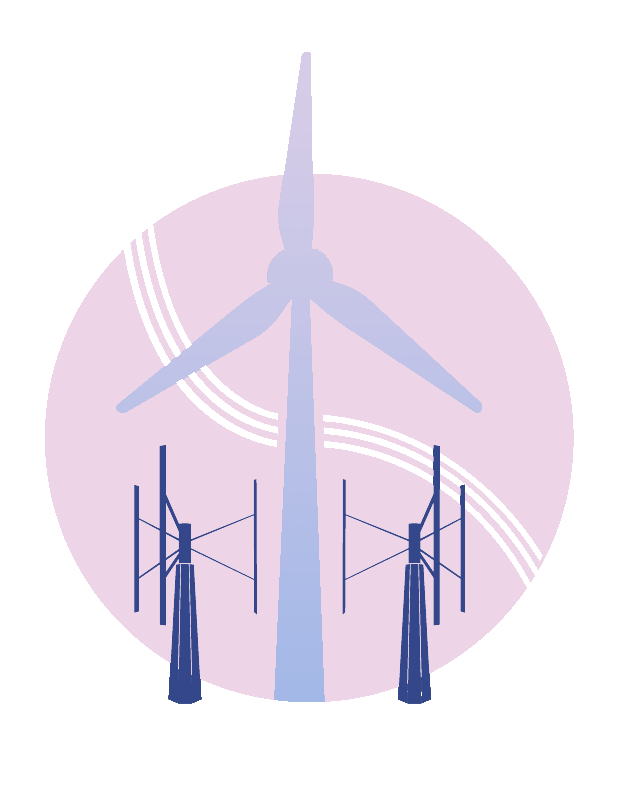
Wind Harvesters can double the energy output of existing wind farms while improving grid reliability. They operate under and around traditional turbines and can increase the energy production of each.
Energy System Integration
Distributed Energy Production
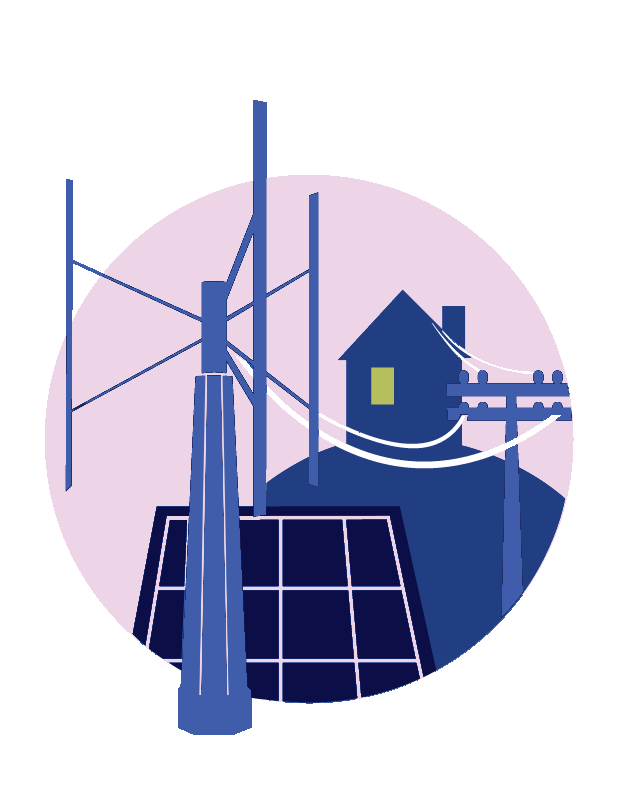
Groups of compact Wind Harvesters, often in conjunction with solar and storage, can reliably supply inexpensive power to our homes and businesses via the distributed grid from windy properties that cannot fit in or secure permits for tall turbines.

“Our mission is to have short Vertical -Axis Wind Turbines rapidly increase wind energy around the world. Our strategy is to be the leading designer of VAWT technology and license our patents and products to other companies to achieve this goal.”
– Kevin Wolf, CEO
“Our mission is to have short Vertical -Axis Wind Turbines rapidly increase wind energy around the world. Our strategy is to be the leading designer of VAWT technology and license our patents and products to other companies to achieve this goal.”
– Kevin Wolf, CEO


